
The Masa Program at FLORA
The Masa Program at FLORA
At Flora, everything starts with masa. This simple yet powerful dough made from corn has nourished civilizations for thousands of years—long before Spanish colonization. Honoring that legacy means starting from the ground up. We source three types of heirloom Criollo corn—blue, yellow, and white—and nixtamalize it in-house.
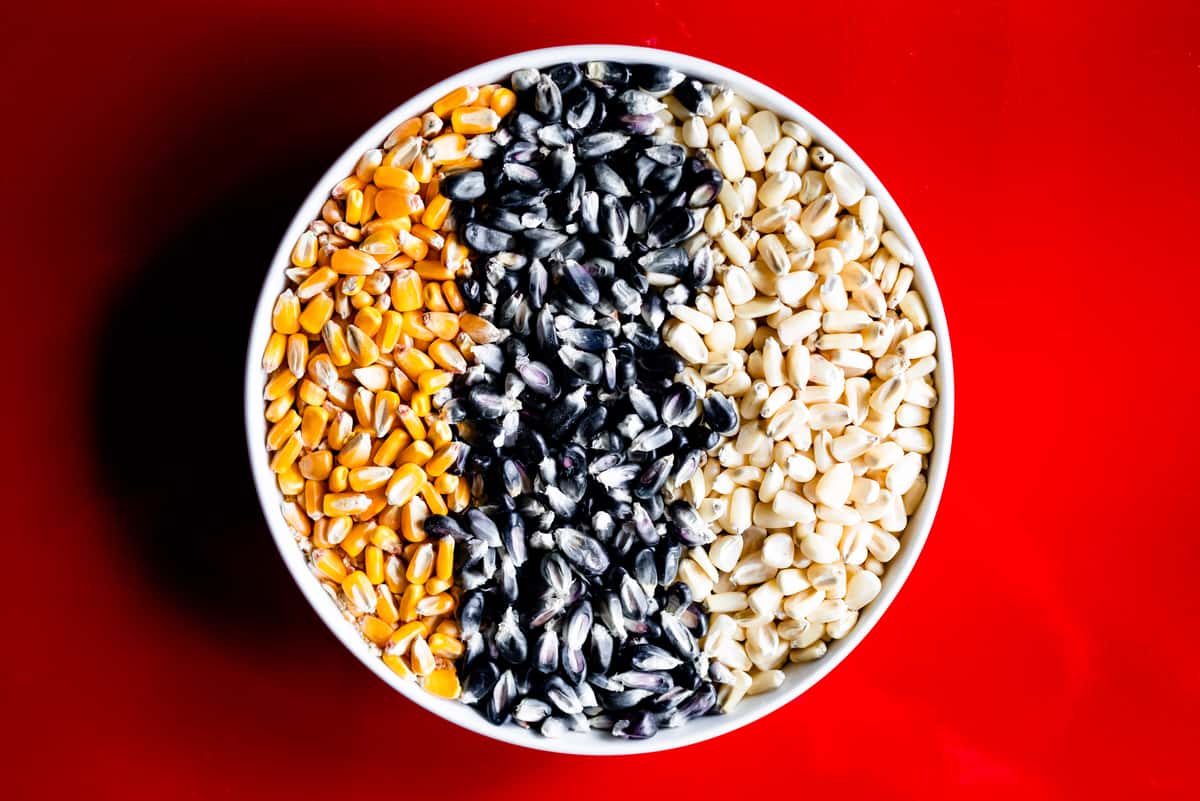
The Criollo Maize we use is sourced from Sinaloa and Jalisco, Mexico.
Heirloom corn has been naturally selected and preserved over centuries for its character and taste. Unlike hybrid corn, which is engineered for yield and uniformity, heirloom varieties are prized for their depth of flavor. These seeds are owned by farmers—not corporations—and cultivated using traditional, chemical-free methods passed down through generations.
Flavor, however, is shaped by more than just the seed. In Mexico, corn is often grown in a milpa, a traditional farming system where corn, beans, and squash grow together in harmony. This practice nourishes the soil, allowing the crops—and their flavor—to flourish. Like wine, corn reflects the terroir of its environment: soil, climate, and cultivation all influence its color, texture, and complexity. With more than 30,000 known varieties, each type tells a different story of land and lineage.
The transformation on the corn begins, when we cook it in a solution of cal (calcium hydroxide) and salt to initiate the ancient process of nixtamalization—first developed by Mesoamerican civilizations to remove the corn's outer shell and unlock its nutrients. The word nixtamal comes from the Nahuatl nixtli (ashes) and tamalli (cooked corn).
In Mexico, calcium oxide is often used in rock form for this process—highly volatile but safe and effective. When it reacts with water, it generates heat naturally. Here in the U.S., we use cal in powdered form, which doesn't trigger the same chemical reaction, so we boil the water ourselves to replicate the effect. Cooking time depends on both the size and type of maize—blue corn, for instance, softens faster than yellow or white.
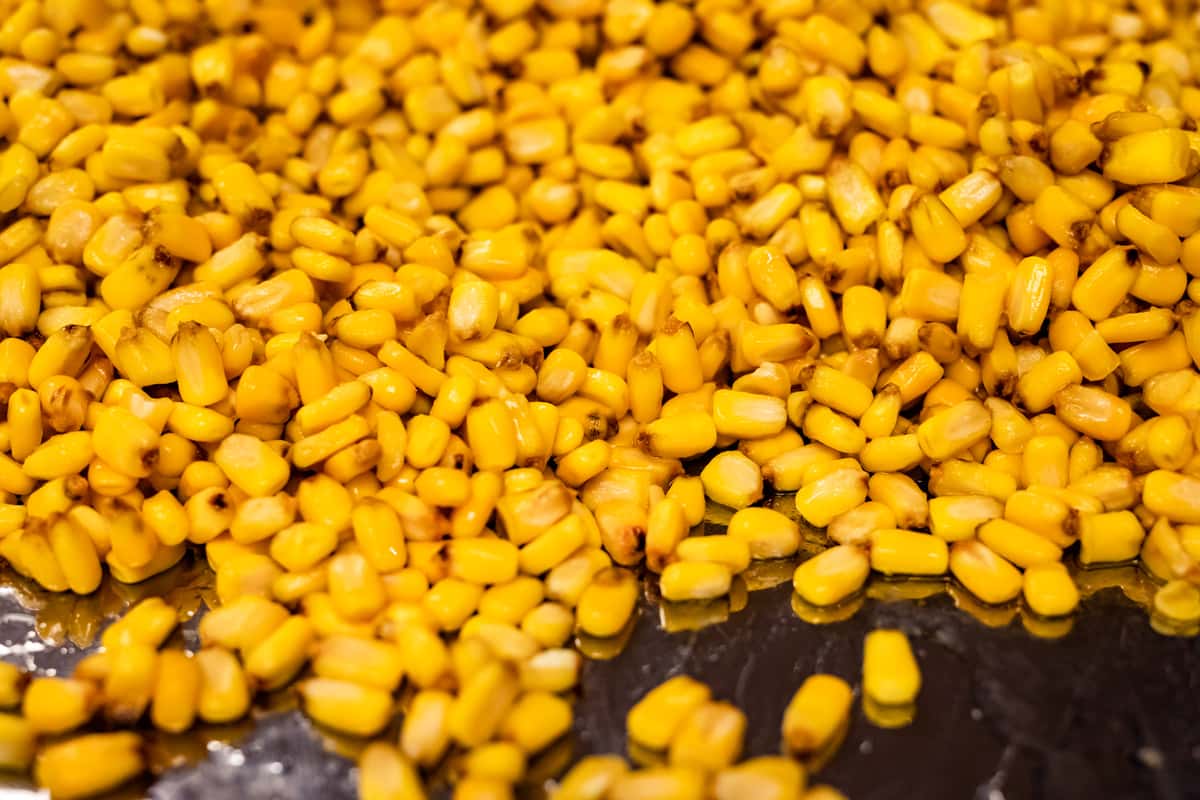
Yellow corn after nixtamalization.
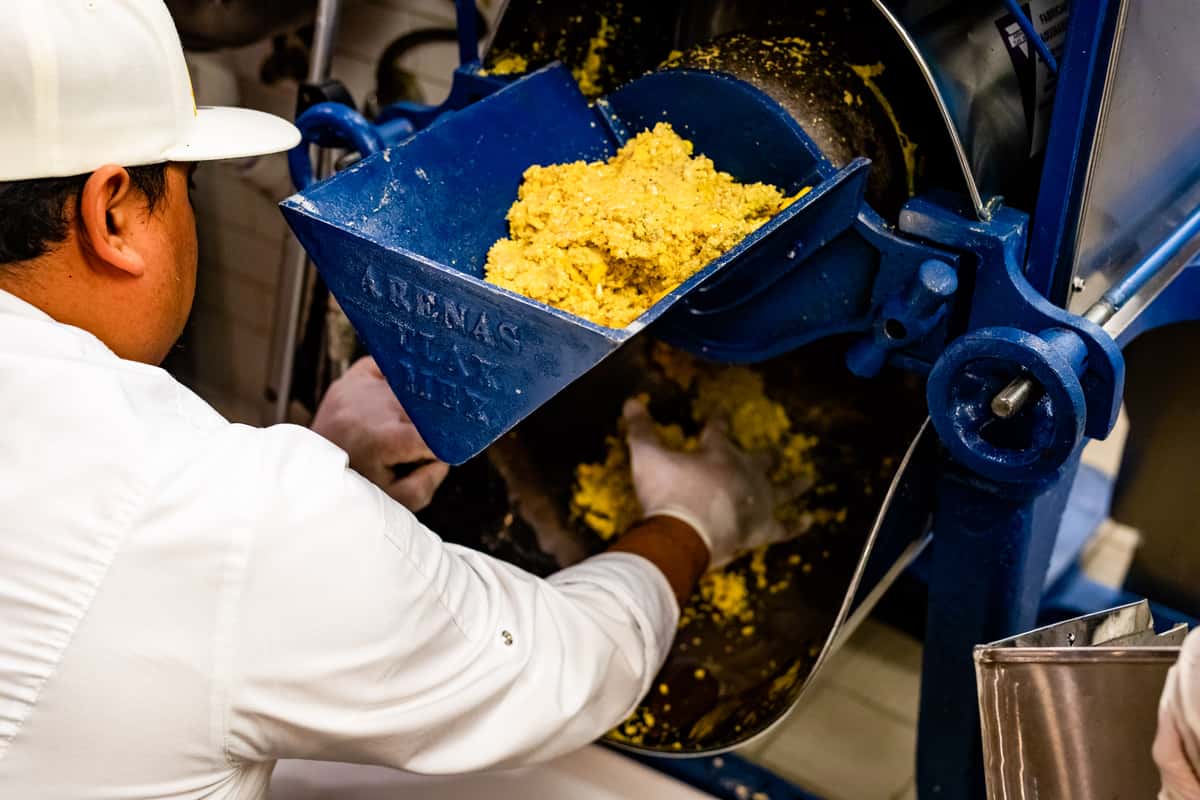
Chef Epifanio Rosas grinding the corn into masa.
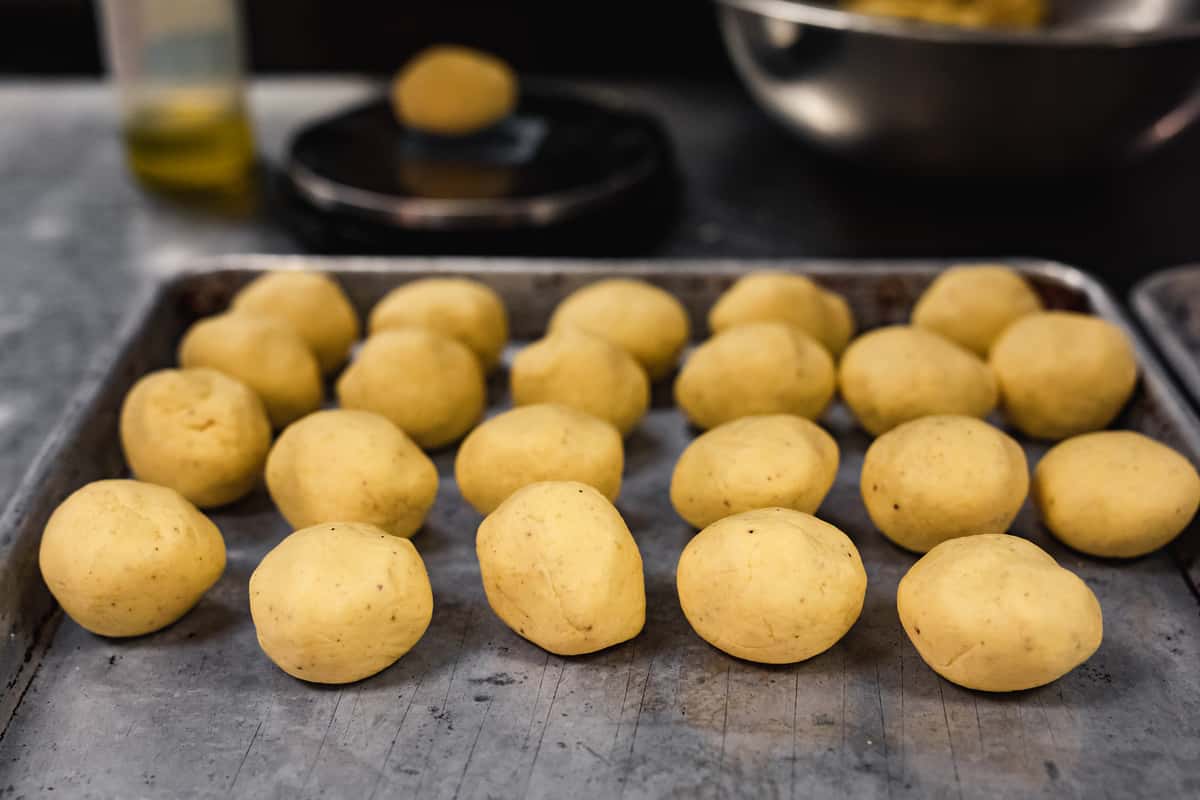
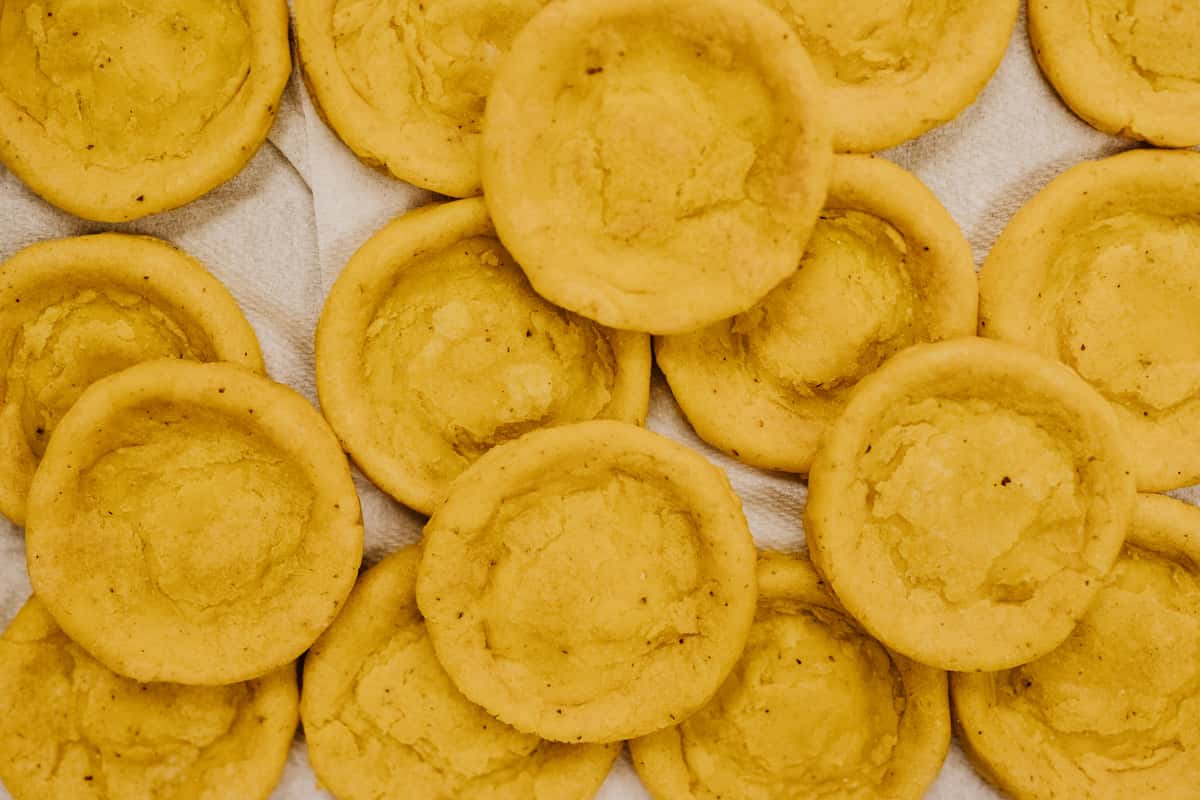
Our team makes all of our masa products by hand everyday.
At Flora, respecting Mexican cuisine means returning to its roots. That's why we nixtamalize our maize by hand. For Executive Chef Epifanio Rosas, this process is deeply personal. He recalls watching his mother nixtamalize corn in their home kitchen as a child. Today, her memory lives on in every tortilla we make.
In a world of shortcuts and speed, it's easy to lose sight of the care that makes food meaningful. But food tells a story. It brings people together, carries history forward, and preserves culture. According to Jorge Gaviria, "masa is a food that transcends borders and times, [it] has spread itself across generations and cultures throughout time." Here at Flora, we proudly carry that tradition forward—and invite you to taste what made by love, made by hand really means.